Yoga for Women's Health: An Integrative Perspective
Aug 06, 2026
One of the most profound shifts in my own understanding of women's health came when I stopped asking how to keep the body the same and began asking how to better support its natural capacity to change.
So often our conversations around health revolve around preventing change, reversing ageing, balancing hormones or getting back to how we used to feel. While these are understandable goals, they can unintentionally frame the female body as though it is constantly falling short of some ideal state of stability. Yet when we step back and observe women's physiology, something quite different becomes apparent: change isn't the exception – it's the design.
From puberty onwards, a woman's body moves through continual cycles of adaptation. Hormones rise and fall throughout the menstrual cycle. The reproductive tissues prepare, transform and renew each month. Pregnancy, birth, breastfeeding, perimenopause and menopause all require extraordinary physiological adjustment. Even healthy ageing asks the body to reorganise and find new ways of maintaining balance. These transitions are not signs that the body is failing; they are normal expressions of a remarkably intelligent system that is continually adapting to life's changing demands.
This perspective forms the foundation of both modern physiology and Ayurveda, although each approaches it from a different direction.
Modern anatomy gives us an extraordinary understanding of the body's structures and measurable processes. We can describe organs, hormones, connective tissue, muscles, nerves and biochemical pathways in remarkable detail. This knowledge is invaluable and continues to shape our understanding of health and disease. Ayurveda, however, begins with a different question. Rather than asking what the body is made of, it asks how life is organised within the body. It is less concerned with structure than with function, movement and relationship.
This is why I often encourage students not to think of Ayurveda as an alternative anatomy, nor to reduce it to dosha quizzes or body types. Classical Ayurveda is really describing the governing principles that organise life itself. Something must move. Something must transform. Something must provide stability, nourishment and structure. These three organising principles are known as Vata, Pitta and Kapha, and together they describe the functional intelligence underlying every physiological process.
For women's health, one of these principles deserves particular attention.
Ayurveda describes Vata as the principle of movement. Wherever there is communication, change or transportation within the body, Vata is involved. It governs breathing, circulation, nerve impulses, elimination, menstruation, speech and thought. Without movement, nothing else can occur. Pitta cannot transform and Kapha cannot build or nourish unless Vata first creates the movement that allows those processes to take place.
When we consider the female body through this lens, the significance of Vata becomes much easier to appreciate. Women's physiology is characterised by continual adaptation. Every month the brain, endocrine system, reproductive organs and connective tissues communicate through an intricate sequence of hormonal signals. Later in life, as ovarian function gradually changes during perimenopause and menopause, the body once again reorganises itself in response to a changing internal environment. These transitions are entirely natural, but they place considerable demand upon the systems responsible for communication and regulation.
Perhaps this is one of the reasons Ayurveda places such emphasis on supporting Vata in women's health.
It also offers a fascinating explanation for something I observe repeatedly in clinical practice. Many women today describe feeling as though they are constantly "running on empty". They swing between periods of intense productivity and complete exhaustion. Sleep becomes irregular, meals are skipped, stress accumulates and the nervous system rarely has an opportunity to fully settle. From an Ayurvedic perspective, these patterns continually disturb Vata. Modern physiology might describe the same picture in terms of chronic stress, sympathetic nervous system activation and reduced physiological resilience. Different language, but remarkably similar observations.
This is where one of Ayurveda's simplest recommendations becomes surprisingly profound.
Routine.
It rarely sounds exciting. In fact, almost every woman I work with initially tells me that routine feels restrictive or boring. Yet what appears boring to the mind is often deeply nourishing for the nervous system. Regular sleep, regular meals, regular movement and moments of quiet throughout the day provide the body with something increasingly rare in modern life: predictability. Rather than limiting our freedom, routine creates the physiological stability that allows us to meet life's inevitable demands with greater resilience and far less internal chaos.
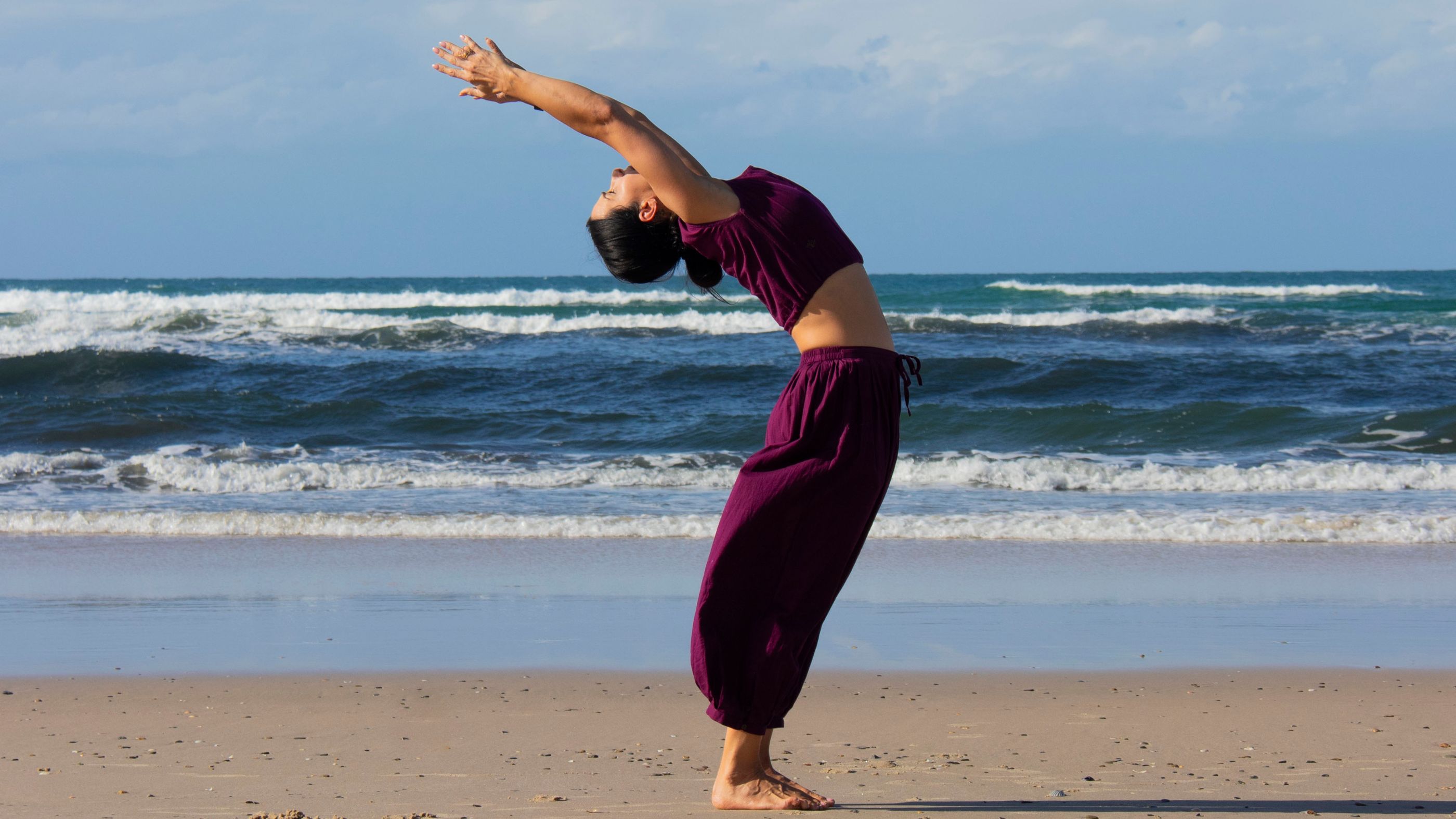
As we explored these ideas further in our recent Advanced Yoga Teacher Training, we then introduced one of Ayurveda's most elegant concepts: the Pancha Prana Vayus.
While Vata describes movement in a general sense, the Vayus describe five specialised movements of Prana within the body. They offer a functional model for understanding how physiological processes are coordinated. Rather than viewing breathing, circulation, digestion, elimination and communication as isolated events, the Vayus invite us to see them as different expressions of one intelligent organising force.
This becomes particularly interesting when we compare the model with modern physiology. Consider something as familiar as the menstrual cycle. Hormonal information must first be received and communicated between the brain and ovaries. Those signals must be integrated and transformed into coordinated physiological responses. Hormones, nutrients and blood must circulate throughout the body, while the reproductive tissues prepare for menstruation and eventually release the uterine lining. Finally, the body recovers and begins preparing for the next cycle. Modern physiology describes this through endocrine signaling and tissue function. Ayurveda describes the same coordinated process through the integrated actions of the five Vayus.
These are not identical explanations, nor do they need to be. They are different ways of observing the remarkable intelligence of the human body, and together they invite us to ask richer questions than either model alone.
Which leads me to Hatha Yoga.
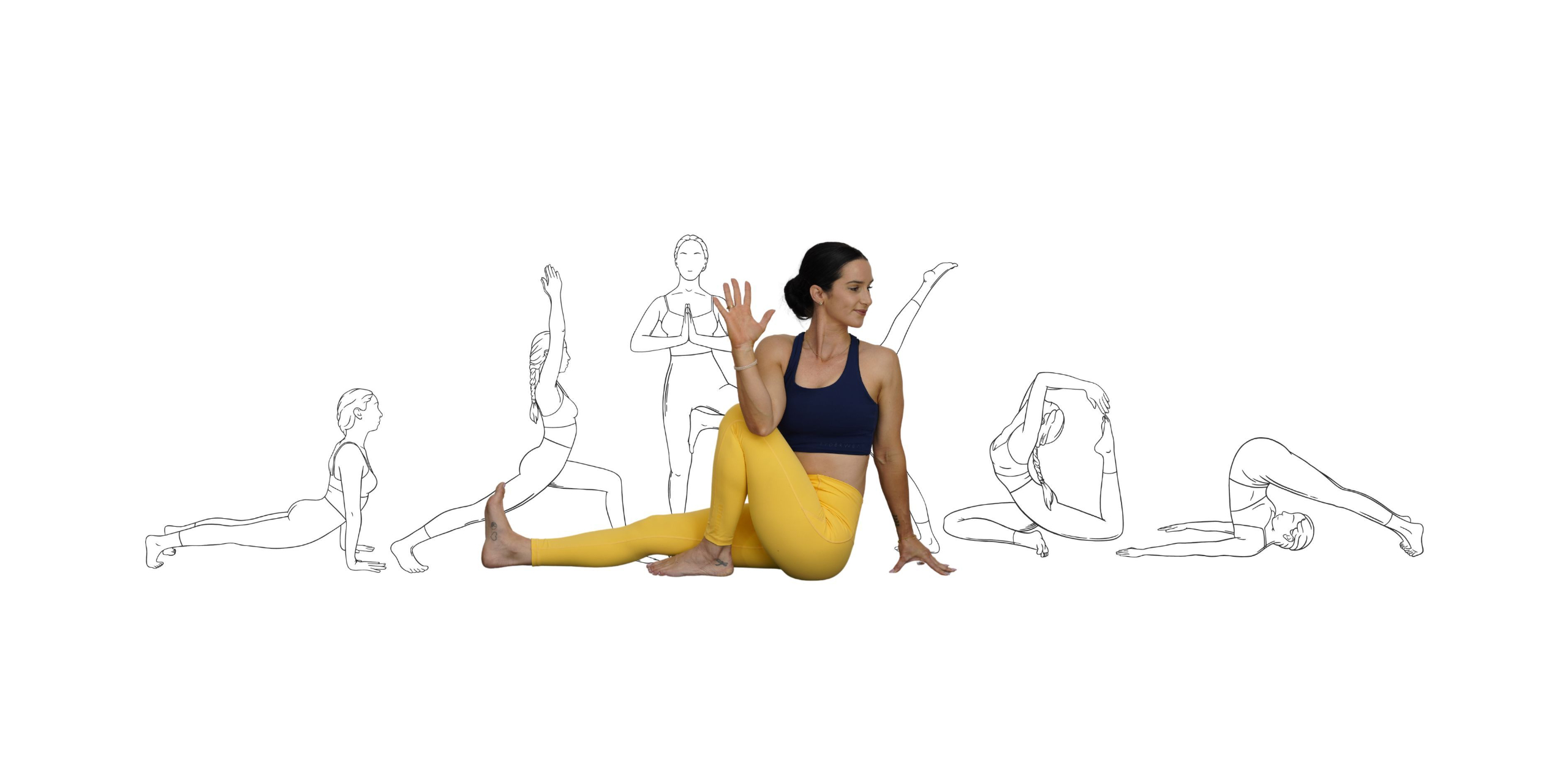
If the Vayus describe the intelligent movement of life, then Hatha Yoga can be understood as a practice that supports those movements. Through conscious movement, breath regulation, focused awareness and consistent daily practice, yoga creates conditions that encourage greater harmony within the body. Every posture changes breathing mechanics, muscular activity, circulation and sensory input. Pranayama refines the rhythm of the breath and influences both our physiology and our state of mind. Meditation develops steadiness and awareness, while the broader yogic lifestyle encourages the regularity that Ayurveda has always regarded as one of the foundations of health.
For me, this is where Hatha Yoga becomes far more than an exercise program.
Classical Hatha Yoga describes the purpose of practice as far more than developing physical flexibility or strength. Through conscious movement, regulated breathing, focused attention and disciplined daily practice, Yoga gradually removes the obstacles that disturb the natural movement of Prana. Rather than forcing the body into balance, it creates the conditions in which the Vayus can function more harmoniously. From this perspective, health emerges not because Yoga adds something that was missing, but because it supports the body's own innate intelligence to regulate, adapt and restore itself.
It becomes a lifelong practice of learning how to support the body's remarkable capacity for adaptation.
Perhaps this is also one of the most important shifts we can make as yoga teachers. Rather than asking which pose is best for menopause, stress or painful periods, we begin asking different questions. What stage of life is this woman navigating? What systems are under the greatest demand? What qualities does her body need more of today? How can this practice support her capacity to adapt, recover and thrive?
In many ways, that is the heart of both Yoga and Ayurveda. Neither system asks us to fight against the natural changes of life. Instead, they invite us to understand them more deeply, respond to them more wisely, and trust the remarkable intelligence that already exists within the body.
Women's bodies are designed to change. Perhaps our yoga practice should evolve just as naturally.
Start your practice today: Hatha Yoga for Women's Health (free on YouTube)
Dive deeper with our free short course: Discover Yoga