The Female Brain is Changing All the Time (!?)
May 04, 2026
If you’ve ever walked into a room and forgotten why you were there… struggled to find a word that sits just out of reach… felt mentally foggy, emotionally flat, overstimulated, easily overwhelmed, or like your nervous system is running a little too hot, you are not imagining it.
And importantly, it is not simply “stress,” “hormones,” or “getting older.”
One of the most fascinating developments in neuroscience is also one of the most validating for women: the female brain is not static. It is dynamic, responsive, and constantly adapting to the rhythms and transitions of life.
For a long time, modern medicine treated the male body as the default model of human physiology. Male hormones were considered more stable, male physiology was easier to study, and so much of what we understand about health, disease, and even the brain was built on research that largely excluded women. Only recently have researchers begun looking more closely at the unique neurological realities of women’s health, and what they are uncovering is remarkable.
The female brain is constantly remodeling itself.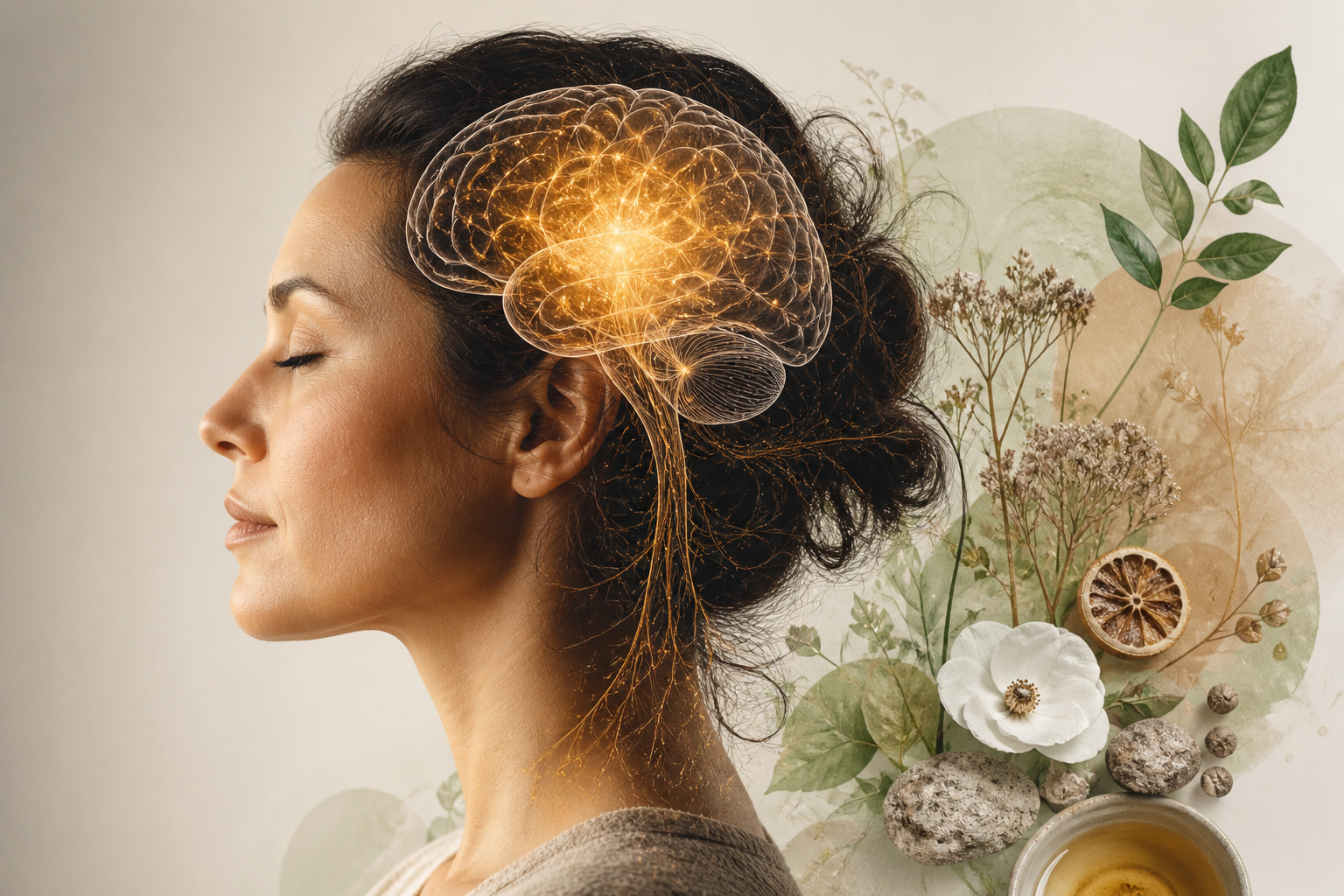
Puberty changes the brain. Monthly hormonal rhythms change the brain. Pregnancy changes the brain. Perimenopause and menopause change the brain. These are not simply reproductive milestones or hormonal events. They are neurological transitions that shape mood, cognition, memory, metabolism, stress resilience, and how we experience ourselves in the world.
Pregnancy, for example, creates widespread neural remodeling, with measurable changes in grey matter that appear to fine-tune the brain for motherhood. This is a beautiful recalibration; an adaptive rewiring that increases sensitivity, responsiveness, and maternal instinct. Scientists now speak of matrescence as a major developmental phase of life, much like adolescence.
Later, during perimenopause, the brain again enters transition. As estrogen declines, the brain must recalibrate how it produces and uses energy. Estrogen plays an important role in supporting glucose metabolism within the brain, so when levels shift, many women feel a shift in their concentration, memory, mood, sleep, and mental clarity. Brain fog is often the lived experience of a brain adapting to new physiology.
What is so interesting is how beautifully this emerging science echoes ancient wisdom.
Ayurveda has long understood the nervous system as being governed primarily by Vata dosha, the principle of movement and communication within the body. Vata governs nerve impulses, sensory processing, circulation, breath, elimination, speech, mental activity, and the subtle movement of energy throughout the system. When balanced, it supports creativity, clarity, adaptability, and vitality. When disturbed, it tends toward anxiety, insomnia, nervous exhaustion, pain, irregularity, scattered thinking, and depletion.
This is why classical Ayurvedic care places such a huge emphasis on nourishing and calming the nervous system as the foundation for health.
Warm, digestible foods. Healthy fats. Regular daily rhythm. Deep rest. Oil therapies. Breathwork. Meditation. Gentle cleansing. Herbs that support nervous system strength and resilience.
Among Ayurveda’s most respected herbs for brain and nervous system health are Ashwagandha, a deeply nourishing adaptogen that helps build resilience to stress and supports nervous system recovery; Brahmi, traditionally known for enhancing memory, concentration, and mental clarity; and Gotu Kola, a rejuvenating herb known for supporting circulation, cognitive vitality, and calm, steady mental function.
Contemporary integrative Ayurvedic research is also beginning to explore the rehabilitative potential of classical Ayurvedic therapies in neurological recovery and nervous system support. One published case report in the Journal of Ayurveda & Integrative Medicine documented meaningful functional improvements in a patient with traumatic spinal cord injury following a comprehensive Ayurvedic rehabilitation program involving herbal medicines, oil therapies, and Panchakarma-based treatments, highlighting promising avenues for integrative neurological care, while also underscoring the need for further research in this area.
And then there is sleep > perhaps one of the most overlooked pillars of neurological health.
Modern neuroscience has discovered the glymphatic system, the brain’s specialised cleansing network, which becomes most active during deep sleep. While we rest, cerebrospinal fluid gently washes through brain tissue, clearing metabolic waste, inflammatory by-products, and toxins accumulated throughout the day.
The brain literally cleans itself at night.
There's nothing quite like the feeling of getting into bed at night and letting go into a deep state of sleep – finally, we can completely let go. Although, while we may feel like we’re finally doing nothing, sleep is not passive. It is our body’s time for active repair, detoxification, memory consolidation, hormonal regulation, and neurological restoration.
As one of the it’s ‘Three Pillars of Health’, Ayurveda has always revered sleep as foundational medicine, and now we understand why.
When we step back and look at the whole picture, brain health becomes much bigger than memory or preventing disease. It is how we live. It is rhythm. Nourishment. Digestion. Inflammation. Rest. Stress regulation. Hormonal health. Movement. Healthy social connection. Time in nature. Mental quiet. The repeated patterns of daily life quietly shaping the health of the nervous system.
What this emerging science makes clear is that women are not imagining their lived experience. The shifts in cognition, mood, energy, focus, sleep, and emotional resilience that often accompany different stages of life are not simply “in your head”, they are physiological, shaped by real and measurable changes within the brain, nervous system, and hormonal landscape.
And because the brain is living tissue, adaptive, responsive, and continually remodeling itself, our lifestyle matters (your lifestyle is your first and foundational‘medicine’!).
We are either creating the conditions for neurological resilience, clarity, and long-term cognitive health… or we are gradually contributing to depletion through chronic stress, poor sleep, overstimulation, inflammation, poor nourishment, and lifestyles that keep the nervous system under constant strain.
This is where Ayurveda offers such profound insight and value. Its approach is not to isolate the brain as a separate organ or system, but to support the whole terrain in which neurological health exists: calming Vata, nourishing the tissues, strengthening digestion and assimilation, improving sleep quality, reducing inflammatory burden, restoring rhythm, and cultivating a steadier, more resilient nervous system.
In other words, Ayurveda gets back to the fundamentals.
Rest well. Eat well. Live rhythmically. Support digestion. Reduce stress. Nourish the nervous system. Protect your energy. Create space for restoration. In simple terms: nurture your brain, and it will serve you well. Neglect it, overload it, inflame it, overstimulate it, and deprive it of restoration, and the effects will be felt.
These daily practices may seem simple, but their effects are profound. Because when it comes to brain health, what you do every day matters, and over time, it matters enormously.
Yoga for Brain Health
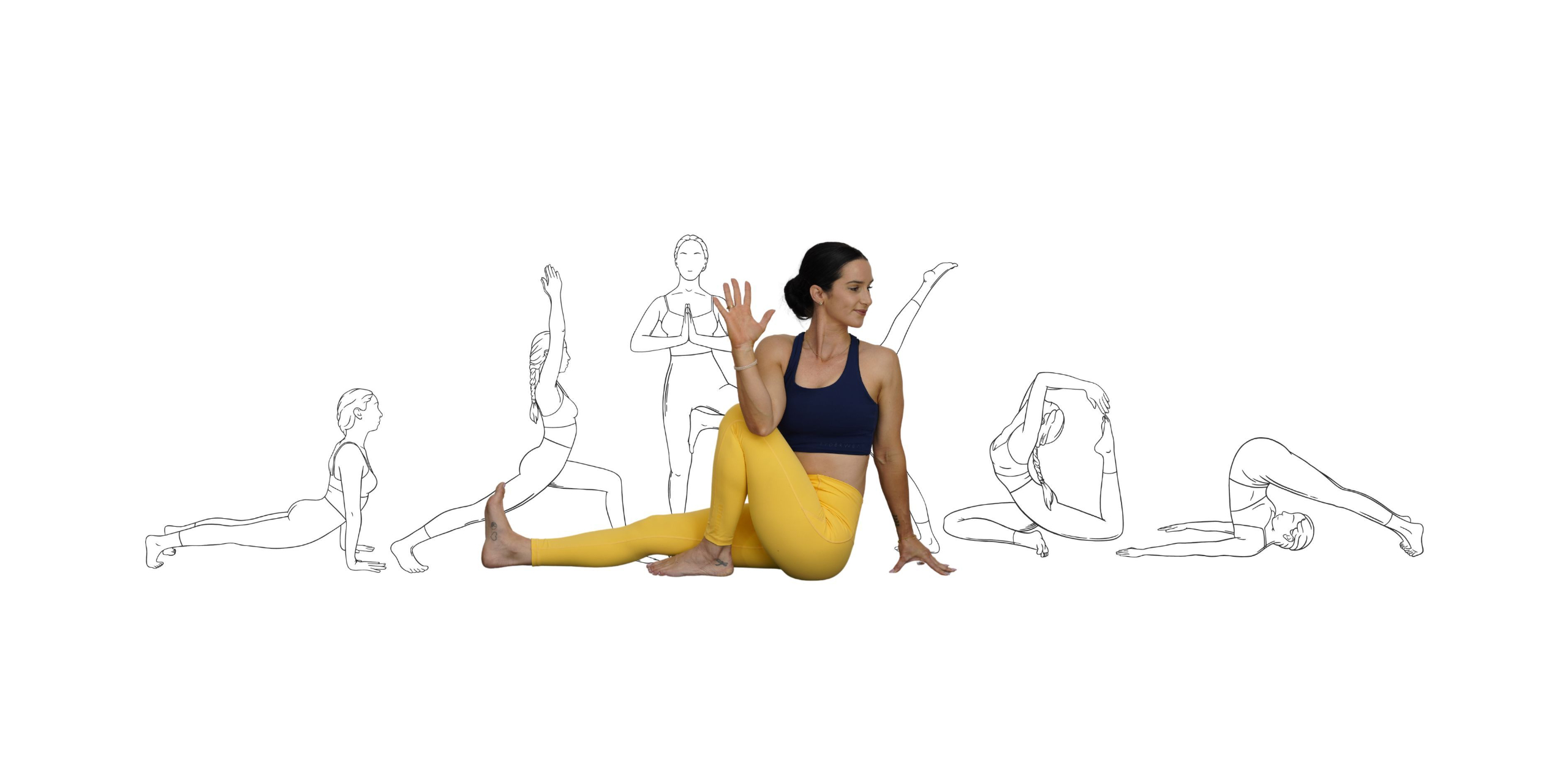
Yoga offers something uniquely valuable for women’s brain health because it works on multiple levels at once. Physiologically, movement improves circulation, supports glucose metabolism, reduces inflammation, and stimulates brain-derived neurotrophic factor (BDNF), which is a key compound involved in neuroplasticity, learning, and brain repair. Breathwork directly influences the autonomic nervous system, helping shift the body out of chronic fight-or-flight and into a calmer parasympathetic state where repair and restoration can occur. Meditation has been shown to improve attention, emotional regulation, and stress resilience, while regular practice supports deeper sleep > the very window in which the brain clears waste through the glymphatic system. From an Ayurvedic perspective, yoga helps regulate Vata, settle the mind, improve pranic flow, and cultivate steadiness and responsiveness in the nervous system. In simple terms, yoga creates the internal conditions for the female brain to feel nourished, clear, resilient, and well supported through every stage of life.
Try adding this 30min practice to your week to support brain health and nervous system regulation:
For more information, deep discussions and lead practices, join us for our online workshop: Brain Health: Ayurvedic Lifestyle & Wisdom With Dr Rafeena & Sami Hewinson https://www.eventbrite.com.au/e/1986391504462?aff=oddtdtcreator